
Music
Fashion
90s Rave Fashion: A Flashback to the Dance Floor's Dazzling Attire
H
HJL
November 3, 2023
4 min read
1. Introduction The 90s rave scene was an era marked by pulsating beats, uninhibited freedom, and a distinctive fashion sense that broke all the rules. It was a time when the youth donned attire that was as loud and expressive as the music they danced to. This article will take you on a vivid journey through the iconic styles that defined 90s rave fashion, exploring its origins, key elements, and the lasting impact it has on today's fashion landscape.2. The Roots of Rave Fashion Rave culture eme

The 90s rave scene was an era marked by pulsating beats, uninhibited freedom, and a distinctive fashion sense that broke all the rules. It was a time when the youth donned attire that was as loud and expressive as the music they danced to. This article will take you on a vivid journey through the iconic styles that defined 90s rave fashion, exploring its origins, key elements, and the lasting impact it has on today's fashion landscape.
Rave culture emerged from the underground dance scenes of the late 80s and early 90s, primarily in the UK. It was a subculture that embraced inclusivity, unity, and the love for electronic dance music (EDM). Early influences and origins of rave fashion can be traced to the eclectic styles of punk, new wave, and the club kids of New York City. The role of music and dance culture was pivotal, as DJs and musicians like The Prodigy and Moby became inadvertent fashion icons.
The quintessential rave outfit was anything but subtle. Bright and neon colors dominated the scene, with ravers clad in fluorescent hues that glowed under the black lights. The debate between baggy vs. fitted clothing was settled by personal preference, with some opting for loose-fitting pants and oversized t-shirts, while others preferred body-hugging crop tops and mini skirts. Accessories and their significance were paramount, with beaded necklaces, whistles, and the infamous pacifier necklaces serving both as fashion statements and practical tools to enhance the rave experience.
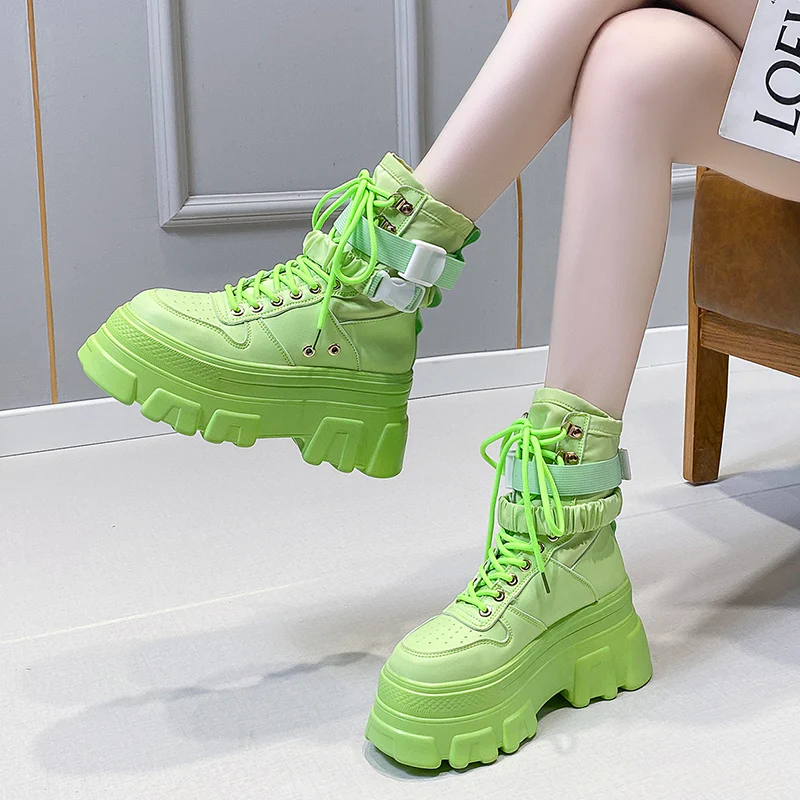
Comfortable and durable footwear was essential for enduring hours of dancing. The popularity of sneakers and boots was undeniable, with brands like Adidas, K-Swiss, and Dr. Martens becoming staples. The chunky soles and robust designs of these shoes not only provided comfort but also added an edge to the overall look.
The boldness of 90s rave fashion extended to hairstyles and makeup. Vibrant hair dyes, spiked hair, and braids were common sights, often complemented by equally striking makeup. Neon eyeshadows, face gems, and body glitter were all part of the makeup trends on the dance floor, creating a sea of sparkling faces that matched the energy of the rave.
Rave fashion was inherently personal, with many choosing to create or modify their own outfits. The customization and personal expression found in DIY fashion were a testament to the scene's creative spirit. Advances in technology, like affordable LED lights, allowed ravers to integrate technology in DIY fashion, making their clothing not just a statement, but a spectacle.
Certain influential figures and their styles became synonymous with rave fashion. Artists like Björk and the Spice Girls brought elements of rave attire into the mainstream, influencing the masses and setting trends that would trickle down to high street stores.
As rave culture spread from the UK to the world, so did its fashion. Each country and region added its own twist, creating a rich tapestry of styles that reflected the global diversity of the scene. Regional variations and styles could be seen in the different patterns, materials, and accessories adopted by ravers around the world.
The influence of rave fashion reached beyond the dance floors and into the realm of movies, music videos, and magazines. Films like "Human Traffic" and publications like "The Face" played a significant role in the documentation of rave fashion, capturing the essence of the era for posterity.
As we look ahead, technological advancements and innovation in textiles and wearable tech are set to redefine what rave fashion can be. The potential for clothing to interact with music, lighting, and even the wearer's movements opens up exciting possibilities for the next wave of rave fashion.
The legacy of 90s rave fashion is a testament to its power as a cultural phenomenon. It was a movement that encapsulated the spirit of a generation, and its influence can still be felt in the fashion industry today. As we reminisce about the past, it's clear that rave fashion was more than just a trend; it was a vibrant expression of youth culture that continues to resonate.
React to this story
Share
Related Stories


Comments
H
Written by
HJL
Contributing writer at Drippin Culture, sharing stories that celebrate community and culture.