
The Bag
From Slavery to Prisons: How Inmate Labor Became a Billion-Dollar Industry
RR
Ramon Robinson
September 15, 2023
5 min read
Explore the evolution of inmate labor from slavery to a billion-dollar industry in the American Prison System. Discover the financial impact on taxpayers, poor prison conditions, and the companies involved in this controversial practice.
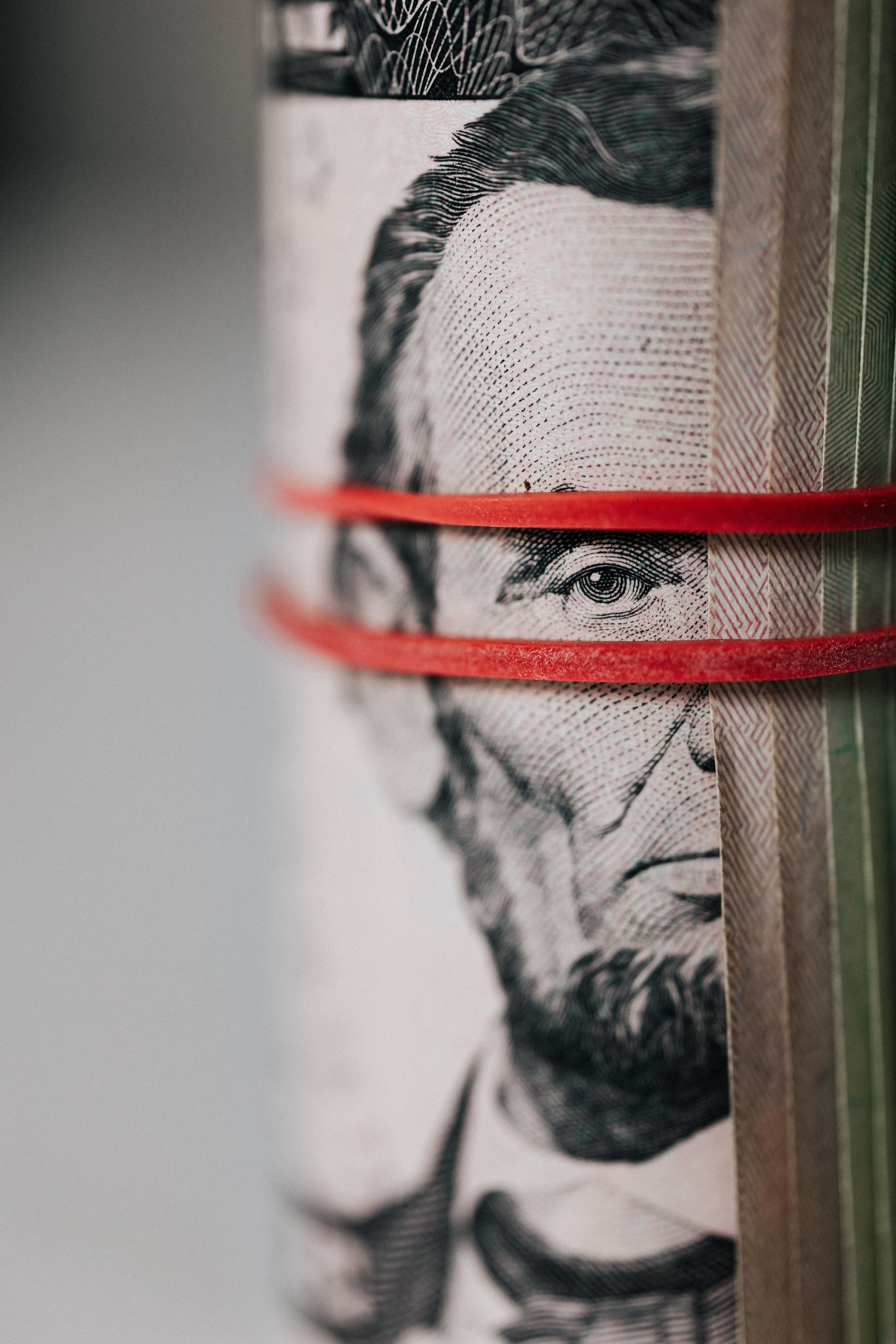
In recent years, the topic of inmate labor within the American prison system has gained significant attention. It's a complex issue that not only delves into the realms of economics and justice but also exposes deep-seated historical and societal problems. In this comprehensive article, we will explore how inmate labor has evolved into a billion-dollar industry, examining the financial implications for taxpayers, the conditions prisoners face, and the corporations involved in this controversial practice.
The Billion-Dollar Industry
The American Prison System (APS) is no small player in the nation's economy, generating over $74 billion annually. But how does it achieve such staggering revenues? One significant factor is the increasing number of individuals incarcerated. By expanding the prison population, the APS can boost its income, creating a lucrative industry that shows no signs of slowing down.
Private immigrant detention companies, in particular, have reaped substantial profits from this system. In 2017, these companies raked in an astonishing $4 billion, showcasing the immense financial potential tied to incarceration.
The Prison-Industrial Complex
The term "prison-industrial complex" often conjures images of private prisons, a significant player in this industry, generating approximately $4 billion in profits each year. However, it's essential to understand that this complex extends far beyond private prisons, involving a web of interests and stakeholders that benefit from the mass incarceration of individuals.
The United States currently boasts the second-highest prison population globally, trailing only behind China, with over 1.5 million individuals incarcerated. This startling statistic means that the U.S. accounts for roughly 25% of the world's prison population, despite comprising only 5% of the global population. Moreover, the average annual cost of incarceration in the U.S. stands at a staggering $80 billion for taxpayers, while corporations within the private prison industry are estimated to rake in a whopping $374 million yearly.
Exploitative Labor Practices
At the heart of this system lies the exploitation of cheap prison labor, a practice that not only harms incarcerated individuals but also burdens taxpayers. This article aims to shed light on the profit-seeking corporations complicit in the prison industry, the well-being of inmates, and the financial repercussions for taxpayers.
In the United States, prisoners are typically paid between 13 cents and 52 cents per hour, with the national average for prison maintenance labor at a mere 63 cents per hour. Shockingly, in some states, prisoners work for free, perpetuating the exploitative nature of this labor.
The American Civil Liberties Union (ACLU) reports that around 800,000 prisoners out of 1.2 million in state and federal prisons are forced to work, generating an estimated $11 billion annually in goods and services. Federal inmates earn similarly low wages for various jobs, including those serving the prison itself.
States with the Most Exploitative Practices
In at least seven states, most prisoners receive no compensation for their labor. These states include Alabama, Arkansas, Georgia, Mississippi, Florida, South Carolina, and Texas. Texas, in particular, exploits a loophole that allows for state profit, making inmates produce a wide range of goods, from license plates to clothing.
Florida is another state notorious for using unpaid inmate labor, and it is challenging to calculate the true value of prison labor across the state. These practices disproportionately affect black prison populations, and accountability is often lacking.
Prison Quotas
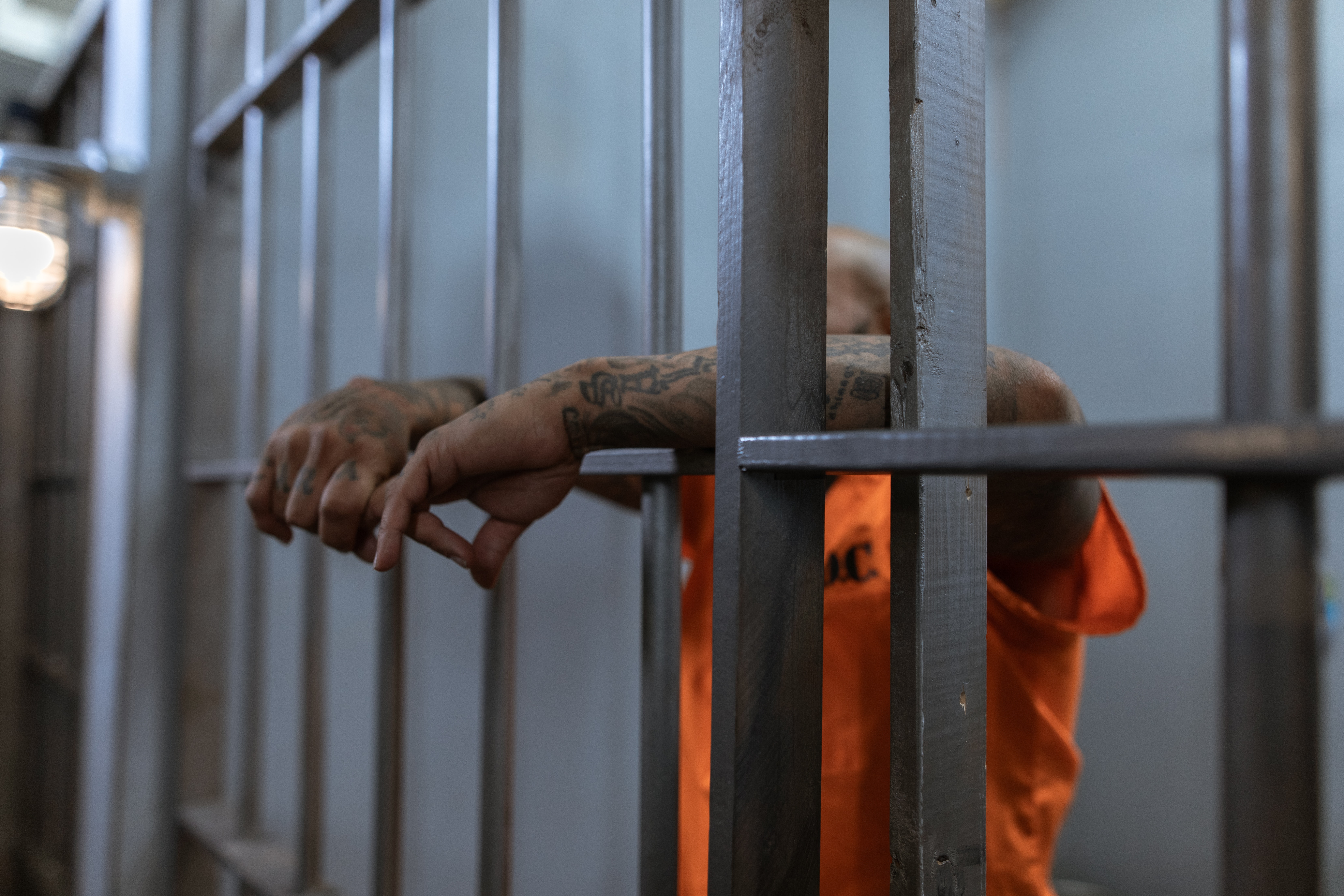
The prison-industrial complex's tentacles extend to practices like prison quotas, also known as lockup quotas or bed guarantees. These contracts between private prison companies and governments mandate that the government must maintain a certain percentage of prison beds, whether the facility is full or empty. Failure to meet these quotas results in hefty payments to private prison companies, further driving their profits.
Major Players in the Industry
Several corporations participate in this exploitative system, benefiting from cheap inmate labor. Some of the most recognizable names include McDonald's, Wendy's, Wal-Mart, Starbucks, Sprint, Verizon, Victoria's Secret, Fidelity Investments, JCPenney, Kmart, airlines, and Avis. These companies rely on prison labor to reduce operating costs, evade providing benefits like health insurance, and avoid unionization.
The Human Cost of Inmate Labor
While corporations profit from prison labor, incarcerated individuals pay a tremendous human cost. The conditions within prisons often leave much to be desired, with overcrowding, limited access to healthcare, and inadequate living conditions. Inmates may face demeaning labor conditions and exposure to toxic environments, including toxic coal ash. Furthermore, violence, extreme heat, and inedible food can be part of daily life within prisons.
The Historical Context
To understand how we arrived at this point, it's crucial to acknowledge the historical context. The 13th Amendment abolished slavery but left a loophole that allowed slavery as a form of punishment for a crime. This exception gave rise to convict leasing, prison farms, and chain gangs, which continued to control and exploit Black individuals and secure their labor. These conditions were effectively a replication of slavery, with some even arguing that they were more oppressive.
The Ongoing Crisis
In recent years, there has been a significant increase in the number of deaths in American prisons. In 2020 alone, over 6,000 individuals died while incarcerated, representing a 46% increase from the previous year. This alarming trend persisted despite an overall decrease in the prison population.
The evolution of inmate labor from slavery to a billion-dollar industry within the American Prison System is a complex and deeply troubling issue. It not only has significant financial implications for taxpayers but also raises ethical questions about the treatment of incarcerated individuals and the role of corporations in perpetuating this system. As we grapple with the ongoing crisis and the enduring legacy of historical injustices, it's essential to continue shedding light on these practices and advocate for meaningful change in our criminal justice system.
Inmate labor, once a means of punishment for crime, has evolved into a cornerstone of profit for corporations, often at the expense of incarcerated individuals' well-being and the financial burden borne by taxpayers. It is a system deeply rooted in history, with echoes of the past, and a system that continues to thrive today. As we reflect on this issue, we must recognize the urgent need for reform, transparency, and a commitment to addressing the social and economic implications of a billion-dollar industry built on the backs of the incarcerated.
React to this story
Share
Related Stories


Comments
RR
Written by
Ramon Robinson
Contributing writer at Drippin Culture, sharing stories that celebrate community and culture.